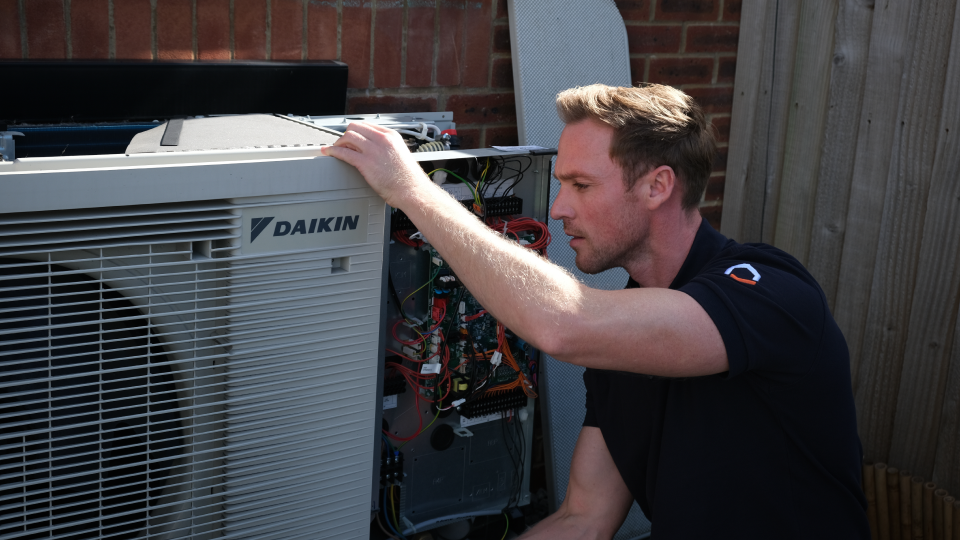



Booking a professional service for solar panels can feel a bit like getting your car’s MOT done. You know something important is happening, but you’re not always clear what the engineer is doing up there or why that matters.
Because panels quietly generate electricity on the roof without much fuss, it seems there shouldn’t be much to check. But there is actually much more to it than people expect.
A proper service or solar PV health check is a structured visit with clear steps: a thorough inspection, a round of electrical and performance testing and a written report that translates findings into plain language. Here are the details of each step and what you risk missing if those checks never take place.
Why Service Solar Panels That Sit Still All Day?
It’s a totally fair question. There are no parts that move, no parts that burn out and no filters to replace. Why service solar panels at all? The honest answer is that solar systems rarely fail with a loud bang.
They slowly drift. Connectors work loose, inverters start logging sporadic error codes, moss creeps along the edge of the array, and output slowly slips by a few per cent at a time. None of this happens dramatically, and that is precisely the problem because a slow decline goes unnoticed until a generation app shows a dip or bills are higher than expected.
Good solar panel maintenance in the UK catches that drift early, and doing a proper solar panel service is how you stay ahead of all the weather extremes that systems face in a year. From hot summer days to winter storms that batter roof fasteners, there is a lot for systems to handle.
Stage One: The Visual Inspection
Stage one is about taking a close-up look. An engineer inspects each and every aspect of the entire installation, as opposed to just glancing over the panels and then calling it a day.
Common assessments included during this stage include:
- Panels for damage such as: cracking, discolouration, delamination, and dirt/soil accumulation.
- Roof mounting points, brackets and fasteners, which take a real battering in high wind.
- Cable and connectors checking for signs of wear and tear, rubbing on other components and weather exposure to the elements.
- Inverter and its housing, and specifically looking for signs of overheating or water entry into the inverter housing.
- How well the complete array sits on the roof.
Where practical, many engineers make use of drone thermal imaging technology to assess the condition of the roof by flying above it and identifying temperature variations on the surface of the roofing materials.
Drone thermal imaging allows an engineer to identify potential electrical faults on a panel from a safe distance without having to physically inspect each tile individually.
Stage Two: Electrical and Performance Testing
Once the engineer has completed their visual inspection, they move on to assessing how the solar array is performing electrically. Due to the presence of highly dangerous DC voltages within a solar array, this is the part that requires specialised knowledge.
An engineer tests whether or not the various electrical connections are secure, reviews the data being produced by the inverter, and views any error messages that may have been stored in the inverter’s memory system.
In addition, they perform a solar panel efficiency check to determine if your solar panels are producing enough power as compared to an average solar panel array of similar design and configuration. It is during this stage that an engineer identifies any deficiencies in generation capability.
With regard to battery storage systems, the engineer evaluates both charging and discharging characteristics, along with testing connections.
Stage Three: The Written Report
Service work is pointless if you are left wondering what happened. So the final stage is a clear report in plain English. It details what was found, explains what that means for your system and prioritises things that need doing.
Good reports sort urgent matters from things that are worth keeping an eye on. A connector that is worn and should be replaced before overheating is very different from soil buildup that you can watch.
Because the assessment is independent, unbiased and not tied to whoever installed your system, the report stays focused on the actual condition of your system and genuine needs.
What’s At Stake When You Skip The Checks
Here’s the uncomfortable part: systems left to their own devices can go for months with faults before anyone notices them. By then, quick fixes have often become costly ones.
Skipping regular checks tends to play out in predictable ways:
- Lost generations and the savings that go along with them as performance slips unnoticed.
- Small faults tend to grow into failed inverters or damaged parts.
- Safety risks from loose connections, corrosion or standing water near live electricity.
- Warranty claims missed because a covered defect wasn’t caught while it still counted.
With prices of electricity refusing to stabilise, every panel that fails to generate power means you should buy back electricity from the grid, which is an added expense.
An annual solar inspection is a small cost compared to the total cost of installation, and they are almost always cheaper than the repairs avoided. If you are unsure when to book one, our guide on the best time to book a solar PV health check is worth a look, and there is more on why a yearly check earns its place.
Keep Your Panels Earning Their Keep
A professional service boils down to three things working together: thorough inspection, proper electrical and performance testing and a report that you can actually use.
Performed yearly, this service keeps your system safe and stops little problems from getting bigger. It also protects savings that motivated you to install panels in the first place.
That is exactly what a ServiceMy Solar PV Health Check is built to do. Our engineers check panels, inverters, mounts, wiring and connections. They benchmark output and hand you clear prioritised findings.
Checks start from £189, or £229 for the combined Solar PV and Battery Health Check. Book yours today and keep your system generating clean, efficient energy for years to come.