


It’s not unusual for people to only think about their solar panels when something looks wrong – and while understandable, that can also mean things quickly turn expensive. An unnoticed fault can reduce your electricity generation for weeks or months before your bills or monitoring data end up highlighting the problem, which means by the time you realise the issue, your system may have been already running under capacity for quite some time.
This is a big reason why the timing of your health check is so important. So, if you’re looking to keep your own solar insulation in tip-top condition, you may well be wondering: when is the best time to book a solar PV health check?
The short answer: spring, before the months when your system produces the most energy
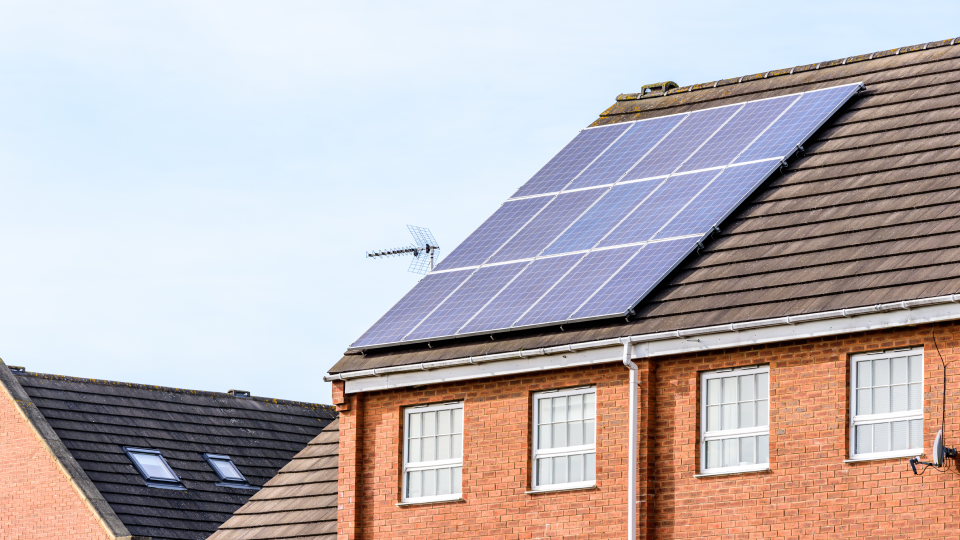
Spring is the sweet spot for most UK homes, as a check between February and May can catch any problems that wind, rain, debris and colder weather may have caused during the winter. Crucially, it means they can be resolved before the summer, when your system begins to produce the greatest share of your annual electricity.
Now, contrary to what some people think, solar panels do continue generating electricity during the winter, though their output can be reduced by the shorter days, increased cloud cover and weaker sunlight. The amount of energy produced can often rise with longer days and stronger sunlight during the spring, which is why you can protect more of your annual output by checking the system before that increase.
Even if you miss that window, a check in July can still identify faults and prevent further energy losses during the remaining summer months. By that point though, an undetected issue may already have reduced several weeks of high energy output, and the system can’t recover that missed energy later in the year – so it’s best to do it earlier if you can. (It’s also worth noting that your installation anniversary and the period immediately after a named storm can also both be useful times to check.)
Why winter is hard on a solar PV system
You don’t need expert knowledge to recognise that winter puts extra pressure on a solar PV system. While solar PV equipment is designed to withstand the tougher winter climate and continue operating throughout the year, it’s also true that during the darker, wetter months, there are several issues that can affect its short-term performance. What’s more, the lower energy output in winter can mask those warning signs, so a fault may only become obvious in late spring or summer – after it’s already reduced the energy available for household use, battery charging or export. To avoid that, it helps to know where those hidden winter issues are most likely to develop. Here are the areas to look out for.
Wind and storm damage
Strong winds are one of the most obvious culprits, as they can place considerable pressure on the panel mountings and roof fixings. Repeated gusts can loosen weak fastenings, lift the flashing around roof penetrations, and potentially expose small gaps that allow water to enter. Industry guidance recommends that roofs with PV installations receive an inspection after extreme weather, precisely because of this tendency to create uplift forces around the panels. This is especially relevant after named storms, when the damage isn’t always easily visible from ground level.
Debris and nesting
Debris and nesting are more frequently underestimated issues. Specifically, debris like leaves, dirt, moss and lichen can gather around the array, particularly after long periods of wet and windy weather. Shallow roof pitches can also retain this loose material for longer, especially where nearby trees deposit leaves and organic debris, which can interfere with the roof’s drainage.
Then there’s wildlife – birds and rodents may also build nests beneath the panels, creating blockages and placing material close to the system’s cabling and connections. This nesting activity can disturb the installation’s cable clips, or damage its insulation, and make existing weaknesses harder to detect.
Moisture and hidden faults
While the system is designed to withstand normal levels of rainfall in winter, any particularly intense episodes of persistent rain can expose weak seals or vulnerable connections, potentially allowing damp to reach electrical components and cause intermittent faults. The inverter may also record error codes during the winter, and unless they’re proactively checked, those warnings can sometimes go unnoticed until summer. Winter energy output is already lower, which means that a further drop in performance can blend into the expected seasonal pattern.
How the UK’s seasonal energy patterns can influence the best time to book
In a nutshell, your solar PV system’s energy output is directly affected by the available daylight. The strongest periods tend to fall in late spring and summer, when the days are longer and the sunlight is more intense. As you might expect, December and January tend to produce a smaller share of electricity.
As we’ve touched on above, that disparity is one of the major reasons why timing is so important. For example, if your system normally generates 400 units during a strong June, then a 15% performance loss removes 60 units. If its January output is 40 units, a 15% loss removes just six units. In other words, your losses are directly proportional to the total energy your system generates in each month. Therefore, a fault during May, June and July can reduce the energy that your system produces during some of its strongest months, which can significantly cut into your annual savings. That’s why it’s always a good idea to make a pre-season check – it helps to protect the period that delivers the greatest value.
4 other good times to book
Your installation anniversary
One of the best things about establishing an annual booking pattern is that it’s easy to remember, and gives your system a consistent inspection date. At ServiceMy, we’d recommend an annual check to identify any gradual underperformance, inverter faults, loose connections and other developing issues. If your panels were installed during the autumn, you can use that anniversary as your regular date.
Before a warranty or workmanship guarantee ends
Check your installation paperwork for the expiry dates that apply to your panels, inverter, workmanship and associated equipment. A timely health check can identify a covered defect while the responsible company or manufacturer remains liable under the agreement.
After a named storm or severe weather
It’s always a good idea to book a check after strong winds, heavy rain, hail or another severe weather event. The panels may look secure when viewed from the ground, but their mountings, flashing, cabling or connections may still have taken significant strain. Industry guidance recommends post-weather inspections for roof-mounted PV systems.
After changing your home energy setup
A system change can also be a useful time to make a check. If you’ve added a home battery, installed an EV charger or changed your household’s energy use, it can confirm that the connected equipment is all working together correctly. At ServiceMy, our Solar PV and Battery Health Check includes the battery’s condition, charge and discharge performance, connections and safety alongside the panels and inverter.
What actually happens on the day
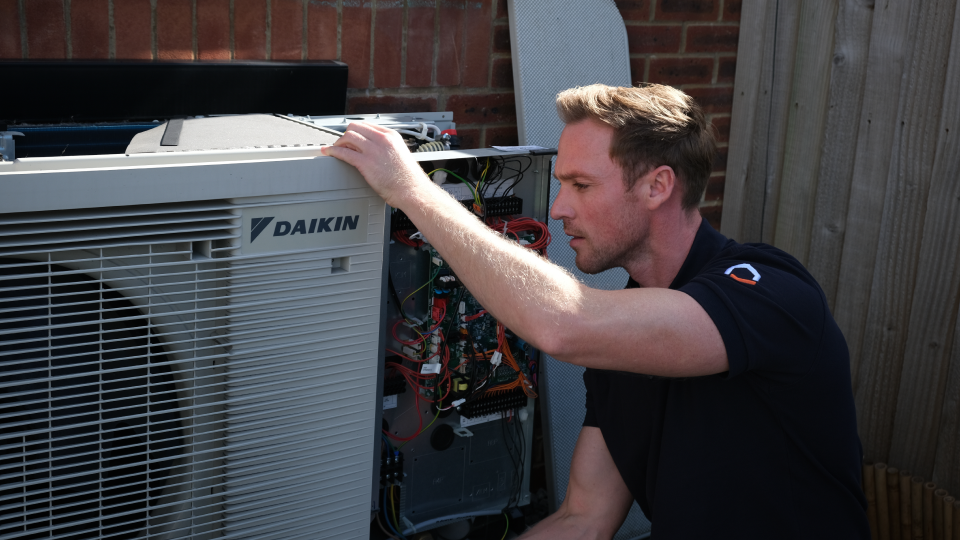
A ServiceMy Solar PV Health Check will cover the panels, inverter, roof mountings, wiring, connections and the system’s general condition. Each stage assesses a different part of your system and contributes to a clear account of its condition and performance.
The initial inspection
During a solar panel spring check, an engineer can examine your panels, roof mountings, inverter, wiring and connections. They’ll start by checking for visible damage, soiling, wear, error codes, electrical issues and signs that the system’s performance has declined. This inspection will help to identify any areas that require closer examination during the appointment.
Where appropriate, the engineer can also use drone thermography to examine the array from the air and identify temperature differences that may indicate hidden panel faults. The inspection will leave your panels and equipment undisturbed and avoid unnecessary roof access.
Performance benchmarking
The engineer will then benchmark your system’s performance against its expected output, taking account of the available information about its size and configuration. This assessment will give you a clear view of whether your panels are delivering the electricity that you should reasonably expect.
Your written report
After the inspection, you’ll receive a written report in plain English. The report will explain the findings and prioritise any recommended action, so that you’ll know which issues require attention and which items can be monitored. ServiceMy’s independent servicing means that your report will focus on your existing system’s condition and its genuine requirements.
Don’t wait for a problem
It’s easy to delay a check when the panels look fine and the system appears to be working as expected. However, it’s always a good idea to get your system checked regardless. A planned health check can give you a clear view of its condition and help you to address small faults before they reduce the energy your system produces or lead to a costly repair.
As we’ve covered, spring is the ideal time for most UK homes, with useful additional triggers in the form of installation anniversaries and periods of severe weather.
That’s where we can help at ServiceMy. Our team can provide an expert-led, high-quality assessment with clear findings and prioritised recommendations, giving you a complete picture of your system’s condition. That way, we can help to ensure that your system is always running at peak performance.
It’s never been easier to book, and the process only takes a couple of minutes. You can book your Solar PV Health Check from £189, or choose the combined Solar PV and Battery Health Check for £229.