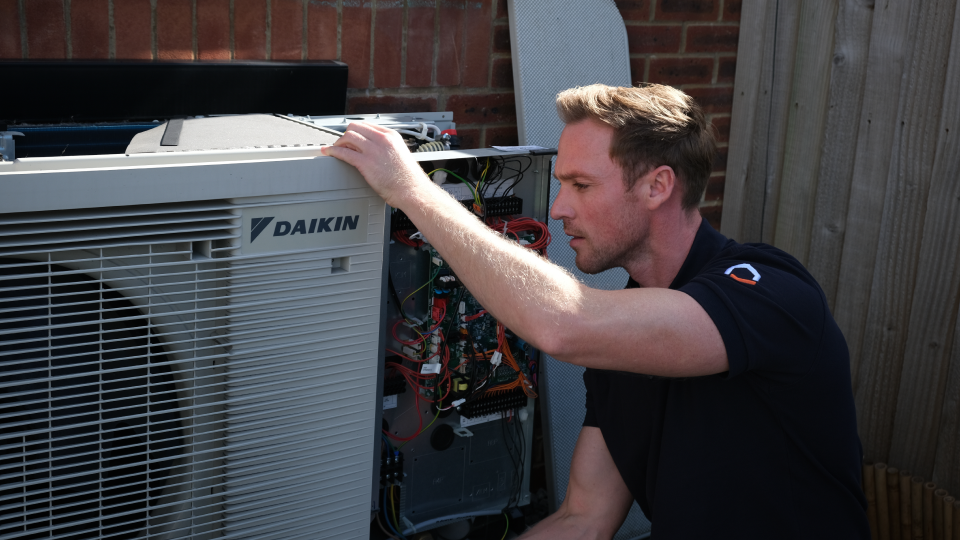



Solar panels are one of the lowest-maintenance renewable energy systems you can install, but that doesn’t mean it should be ignored altogether. A little attention throughout the year can help keep your system performing efficiently and find faults before they become expensive repairs.
Using a practical checklist lets you stay on top of solar panel maintenance in the UK without it feeling like a chore.
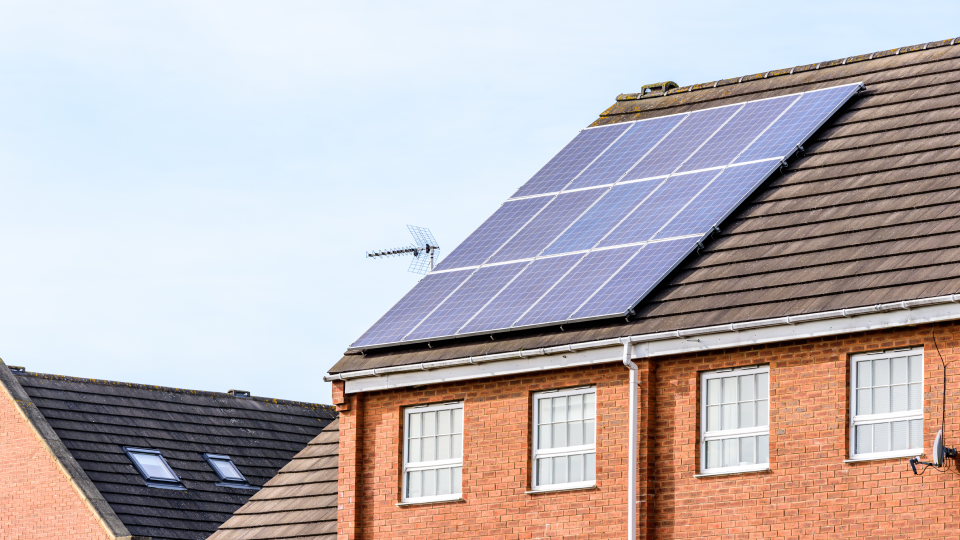
Solar Panel Maintenance Checklist for Homeowners
1. Monitor Your Energy Generation Regularly
The easiest way to spot a problem is keeping an eye on your system’s performance. Most modern solar PV systems include an inverter display or online monitoring platform that shows you how much electricity your panels are producing.
Reviewing this data every few weeks makes it easier to recognise unusual drops in performance before they become bigger issues. A short-term dip in cloudy weather is perfectly normal, but anything longer than this could need a solar panel efficiency check.
2. Check Your Inverter
Your inverter is responsible for converting the electricity generated by your panels into usable power for your home. Because it’s constantly working whenever your system is producing energy, it’s often the first place that faults become apparent.
Make a habit of checking:
- The display screen
- Status lights
- Warning indicators
- Error messages
If you notice flashing warning lights or recurring fault codes, don’t ignore them. Many inverter issues reduce system output long before they cause a complete shutdown.
3. Carry Out a Visual Inspection
You don’t need to climb onto your roof to spot obvious signs of damage. Every few months, take a walk around your property and look for anything unusual, like:
- Cracked panels
- Loose mounting panels
- Visible storm damage
- Panels that appear to have shifted
- Broken roof tiles around the installation
After periods of strong winds or heavy storms, it’s especially worthwhile to carry out a quick inspection. Never climb onto your roof to access the panels yourself. Besides the obvious safety risks, walking on solar panels can also damage them.
4. Look Out for Dirt and Debris
Rain does a great job of washing away most everyday dirt in the UK, so solar panels rarely need regular cleaning. But, some conditions can still affect their performance, with some of the more notable being:
- Heavy bird droppers
- Moss growth
- Fallen leaves
- Thick layers of pollen
- Nearby tree debris
If only a small section of a panel becomes heavily shaded or covered, the performance of the entire panel can be affected.
When you notice significant buildup, resist the temptation to pressure wash your panels or climb onto your roof with cleaning equipment. Professional cleaning methods are designed to protect the glass surface while safely restoring performance.
5. Watch for Growing Shade
Solar panels work best when there’s consistent sunlight throughout the day. Over time, nearby trees and vegetation can grow enough to cast shade across your roof, particularly in the morning or afternoon.
Check your panels to see whether:
- Tree branches have grown significantly
- New buildings are creating shade
- Vegetation is blocking sunlight
Even partial shading can reduce energy production more than many homeowners realise.
6. Inspect the Area Around Your Panels
While the panels themselves might look fine, it’s also worth checking the area around them from the ground. Look for signs like:
- Loose flashing
- Damaged roof tiles
- Sagging guttering
- Debris collecting around your system
Water damage around the roof should always be investigated quickly, even if it isn’t directly caused by the solar installation.
7. Keep an Eye on Electricity Bills
Your monitoring system tells you how much electricity you’re generating. Your electricity bill tells you how much you’re actually buying from the grid. If your bills start increasing despite similar household usage, it could be a sign your system isn’t working as well as before. While energy prices fluctuate, unexplained increases often justify booking a solar panel efficiency check.
8. Book an Annual Inspection
There are limits to what homeowners can safely take care of. Electrical testing, inverter diagnostics, connection checks, voltage measurements, and performance analysis all need specialist equipment.
This is why an annual solar inspection is recommended, even if everything looks like it’s working normally. A professional inspection usually includes:
- Electrical safety testing
- Inverter diagnostics
- Connection inspections
- Performance testing
- System efficiency assessment
- Finding hidden faults
Many issues can be found long before they affect your energy production or need expensive repairs.
What Homeowners Shouldn’t Do Themselves
It’s understandable that you’ll want to keep maintenance costs low, but that doesn’t mean you should try to do everything yourself. Some areas are better left to the professionals for more than a few reasons.
Avoid attempting to:
- Walk on your roof
- Clean panels using pressure washers
- Open inverter units
- Test electrical wiring
- Disconnect cables
- Remove panels
- Repair mounting systems
Solar PV systems continue to generate electricity whenever exposed to daylight, making electrical work particularly dangerous without the proper training or equipment. Professional engineers understand how to work safely while protecting your home and your solar system.
Why Service Solar Panels if They’re Still Working
One of the more common questions homeowners ask is why service solar panels when they still look like they’re working properly. The answer is simple.
Many faults develop gradually. Declining panel performance, ageing inverter component, or even a loose connector can reduce output by only a small amount at the start. Without regular inspections, these minor issues can continue unnoticed for months or years.
Routine servicing helps:
- Maintain energy generation
- Improve life-long efficiency
- Identify hidden faults early
- Extend your system components’ lifespans
- Reduce the likelihood of expensive repairs
- Give you confidence your investment is performing well
Preventative maintenance is often more cost-effective than waiting for a complete system failure and similar large repairs.
Keep Your Solar Panels Working for Years to Come
By monitoring your energy generation, carrying out safe visual inspections, and arranging an annual solar inspection, you’ll be in the best position to spot small problems before they need expensive repairs.
Booking regular solar panel maintenance in the UK through ServiceMy helps make sure your system is an investment that keeps paying off.