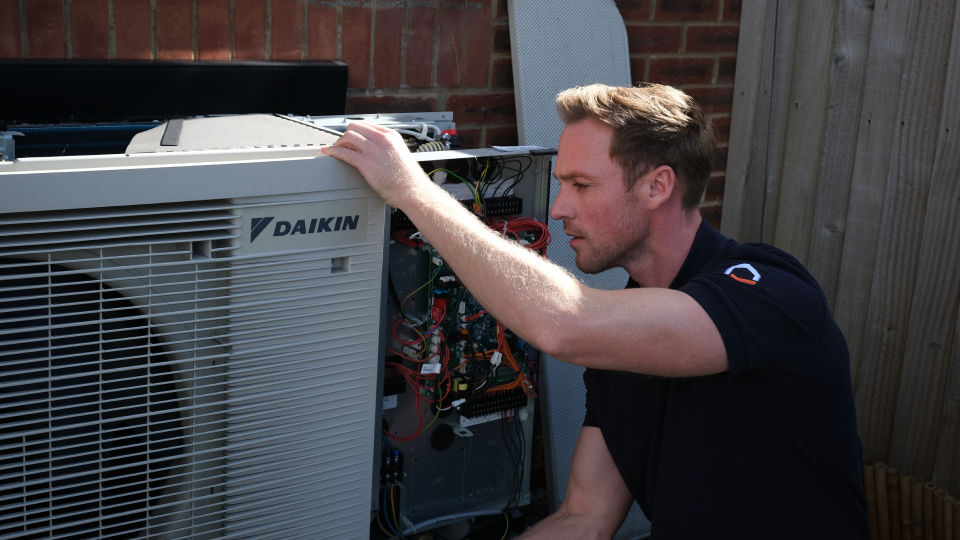



Installing a heat pump is an important step towards a more energy-efficient home. Whether you have chosen an air source heat pump to reduce your carbon footprint, lower your energy bills, or future-proof your property, you will henceforth be benefiting from one of the UK’s growing heating technologies.
However, a common misconception is that once a heat pump has been installed, there isn’t anything that needs to be done until the first annual service is due. It’s true that heat pumps are designed to operate efficiently and reliably; the first 90 days after the pump has been installed is important and shouldn’t be ignored.
The initial phase, the first 90 days, is a good opportunity to monitor the performance, find any minor issues, and make sure that the system is operating as it is intended. Knowing what to expect during this period helps you to get the most out of your heat pump, ensuring that it is working properly from the first day.
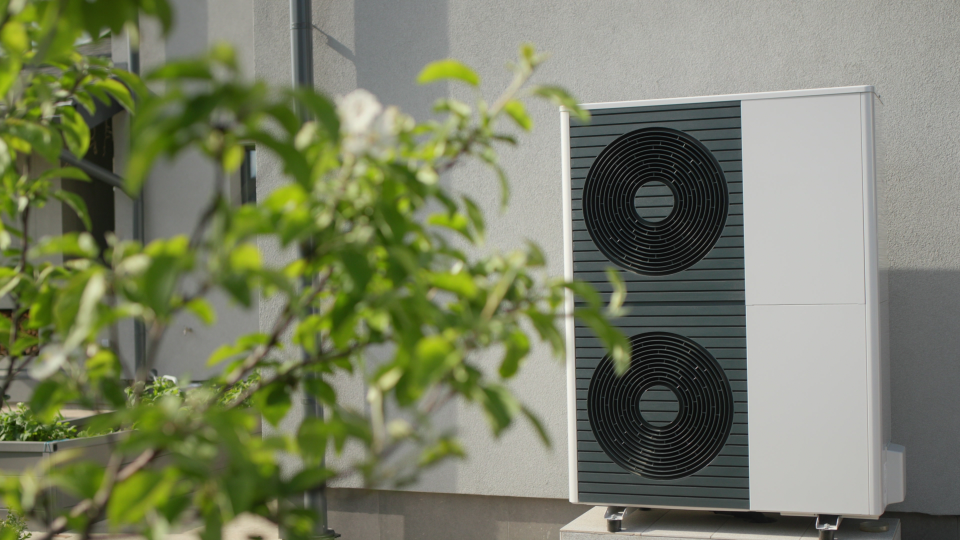
Why Do The First 90 Days Matter?
The first few months after the installation is when homeowners are going to become most familiar with how their heat pump operates.
Traditional gas boilers work differently, and as such, you need to understand the difference. Heat pumps tend to work for longer periods at lower temperatures, providing a steady and consistent level of warmth throughout the property. For those who have switched from traditional heating systems, it can take some time to get used to.
During the first 90 days, installers and servicing professionals are used to verify that the system is operating correctly in real-world conditions. Adjustments to controls, heating schedules, and flow temperatures may be required to optimise comfort and efficiency. As such, paying attention during this 90-day period helps homeowners can identify concerns before they become any more of an issue.
Understanding Your System
One of the best things that you can do after the installation has taken place is understand how your heat pump actually works. A lot of homeowners will only use a small number of controls that are available, but this can end up limiting the efficiency and performance of a system.
So, some of the things that you should make sure you understand are as follows:
- How temperature controls operate
- What normal operating sounds are
- How to adjust the heating schedules
- How the hot water setting works
- How to contact your installer if you need to
- What the common display signals mean
When the installation took place, the installer likely provided a demonstration of all of this once they had done so. When the installation is complete, if you’re not sure about anything, it’s important that you ask questions, as the better you understand your heat pump, the easier it becomes to notice any issues.
Monitor Energy Usage
You will also find that the first month, or the first couple of months provide you with a lot of interesting information, including a baseline for your energy consumption.
It’s true to say that every home is different, and that’s why monitoring your electricity usage can help you to understand how well the system is operating, and whether all of the settings are appropriate for your property.
A lot of modern heat pumps include monitoring apps and online options that allow you to track performance data. Looking at this information can provide a useful insight into the consumption patterns and general efficiency.
It’s important to keep in mind that things like occupancy levels, and weather conditions can influence overall energy usage. Just make sure that you’re not focusing too much on days, and instead look at several weeks to get the information that you need.
Understand What Is Normal
One of the things that often worries heat pump owners are the sounds and behaviors that they make, but are perfectly normal. For example, heat pumps periodically go through a defrost cycle when colder weather hits. While in this process, the system will temporarily reverse operation in order to remove ice build-up from the outdoor unit.
In the same way that the outdoor fan and compressor may make different sounds depending on the operating conditions that are present.
To prevent any worries or scares, understanding what is normal helps to prevent any unnecessary concern. This allows you to ignore the normal behaviors, and more effectively identify the issues as they arise. If you notice persistent warning signs though, unusual noises, and issues with performance, even system shutdowns, you should contact a professional for advice.
Scheduling The First Service In Advance
It’s important to know that newly installed heat pumps will not generally require any sort of immediate attention, including servicing. Having said that, it’s a good idea to get ahead of this and plan in advance.
Regular servicing is important to maintain efficiency, and ensure long-term reliability. The problem is that many homeowners end up waiting until their annual service is due before they actually arrange their appointment. Often, appointment availability is limited, and the annual service then goes overdue.
Ensuring that you book in advance helps to make sure that your system gets the care that it needs, when it needs it. Getting this professional attention at the appropriate time means that your system is more reliable.
Working On Establishing Good Habits From The First Day
Achieving the best possible performance from a heat pump is going to depend on how the system is being managed and maintained. The first 90 days offer a fantastic opportunity for the homeowner to establish good habits, like the ones that we have talked about so far.
Keeping your eye out in this settling-in period ensures that homeowners are able to maximise comfort, minimise running costs, and make sure that the heat pump continues to deliver all of the benefits it was designed to improve.
So, if you’re considering servicing but you’re worried you’re thinking about it too early – you’re not. Get in touch with our team today to get the help that you need.