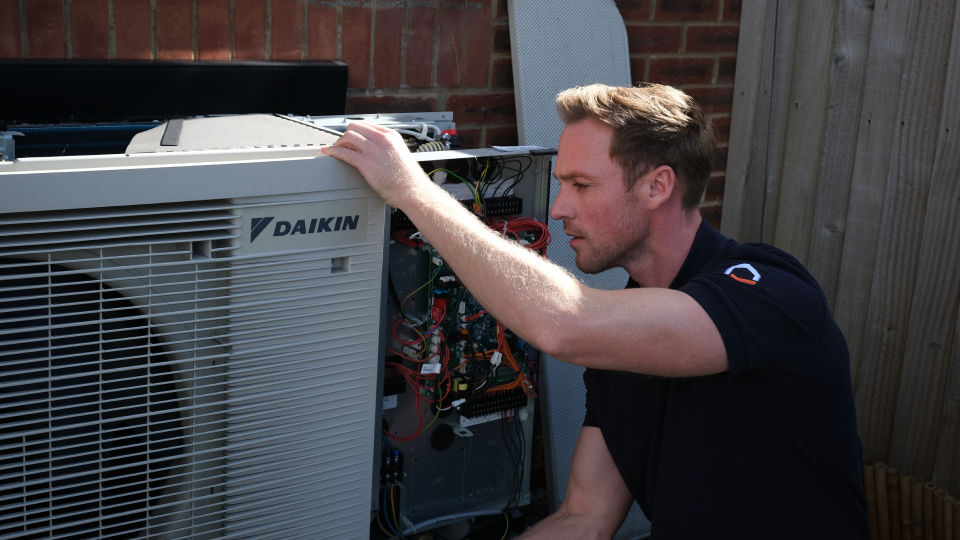



Renewable energy isn’t a distant idea anymore, it’s already changing how people heat their homes across the UK. With energy prices still in an unpredictable place, and more focus on cutting emissions, systems like the air source heat pump are becoming a familiar option rather than a niche one.
With that being said, installing one is only part of the job. What tends to get overlooked is what happens after it’s in place. Like most things in a home, it needs a bit of ongoing attention to keep it working properly. Without that, even a good system can start to lose its edge. A slight drop in efficiency here, or a bit more noise there can add up quite considerably over time.
Getting your head around how these systems behave day to day can make a real difference, especially if you’re hoping to avoid unexpected costs later on. With this in mind, here’s a comprehensive overview of why it’s important to maintain your heat pump.
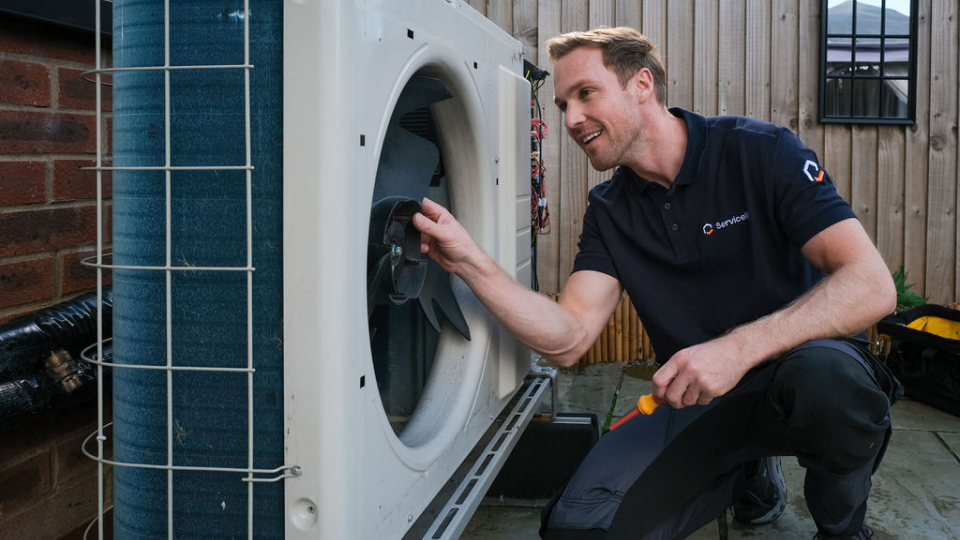
The Growing Role of Heat Pumps in Renewable Energy
Heat pumps are gradually becoming a big part of the shift towards lower-carbon heating. Instead of creating heat in the traditional way, they pull it from the air outside and bring it indoors. It’s a simple idea, but when it’s working well, it’s surprisingly effective.
As more and more people install them, expectations are changing too. It’s not just about being eco-friendly anymore, it’s about consistency. They want their homes to feel warm without having to think too much about it.
This is where maintenance starts to matter more than people expect. A system that isn’t checked regularly can slowly lose efficiency, and you might not notice straight away. It just runs a bit longer, works a bit harder, and uses a bit more energy.
Having access to reliable support, like the service plans available from ServiceMy, helps take some of that uncertainty out of the equation for sure.
Common Issues That Can Affect Performance
Even when everything is installed correctly, small issues can creep in over time. Often, they’re easy to miss at first. One of the most common problems is restricted airflow. The outdoor unit can collect leaves, dust, or general debris, especially in the colder months. When that happens, the system has to work harder to do the same job.
You might also notice that your home takes longer to heat up than it used to. It’s not always obvious, but it can be a sign that something isn’t quite right internally. Sometimes this is linked to refrigerant levels, or components starting to wear down.
Then there’s noise to consider. Heat pumps are usually pretty quiet, so if the sound changes, it’s worth paying attention. It doesn’t always mean something serious, but it usually means something needs attention.
Why Regular Servicing Makes a Difference
Routine air source heat pump servicing isn’t just a formality, it genuinely helps the system do its job better. When everything is clean, checked, and running as it should, the difference in performance can be noticeable.
A typical service looks at key components, clears out anything that might be blocking airflow, and checks for early signs of wear. It’s the sort of thing that’s easy to put off, but catching small issues early is usually far cheaper than fixing bigger ones later.
There’s also the question of longevity. These systems are designed to last, but like anything mechanical, they don’t look after themselves. Regular heat pump servicing helps keep things on track so you’re not dealing with avoidable breakdowns.
For most homeowners, it’s really about peace of mind. You know it’s working as it should, and you’re less likely to be caught out.
Troubleshooting Early Signs at Home
There are a few simple things you can keep an eye on yourself, and they don’t take too much time. Keeping the outdoor unit clear is probably the easiest win. A quick check every now and then, especially after bad weather, can help maintain good airflow.
It’s also worth noticing how your heating feels. If it seems slower or less even, it might be worth looking into rather than waiting. These small changes are often the first clue that something needs attention.
Sometimes, it’s as simple as checking the settings. Controls can get adjusted without much thought, and it’s not unusual for that to affect performance. Of course, anything more technical is best left to professionals. It’s not worth the risk of making things worse.
The Link Between Maintenance and Energy Savings
Most people invest in renewables to save money over time, but that only really works if the system stays efficient.
If a heat pump isn’t serviced regularly, it can gradually become less effective. It still works, but it uses more energy than it should to get there. Over time, that can show up in your bills.
A well-maintained system, on the other hand, tends to run more smoothly and efficiently. You’re more likely to see consistent savings, and you’re less likely to face unexpected repair costs.
In a way, maintenance is what makes the investment worthwhile. Without it, you’re not getting the full benefit.
Looking Ahead: The Future of Renewable Heating
Heat pumps are only going to become more common as the UK moves towards lower-carbon heating. There’s more awareness now, better technology, and more support available than there was even a few years ago.
With that, there’s also a growing understanding that installation isn’t the end of the process. Keeping systems running well is just as important.
Servicing will probably become more straightforward over time, but the basics won’t change. These systems need looking after regularly, and that really is the key to reliability, longevity, and efficiency.
Final Considerations
Switching to renewable heating is a positive step, but it doesn’t stop at installation. An air source heat pump can be a great long-term solution, but only if it’s properly maintained.
Regular servicing helps prevent small issues from turning into bigger ones, keeping efficiency where it should be, and supporting the savings people expect to make when they switch.
As more homes move in this direction, the focus is naturally shifting. It’s not just about having the right system; it’s about keeping it working well. In the long run, this is what makes the real difference.