When an air source heat pump is installed in a property, most homeowners expect their new system to deliver efficient, steady heating throughout the year. And it will, but only if the building itself is working with the system rather than against it. One of the most overlooked aspects of heat pump performance is heat loss. This affects comfort, energy bills and critically, the long term health of the equipment.
An air source heat pump needs the right conditions and regular upkeep to do its job properly. Understanding heat loss is a major part of that.
We’re going to explain what heat loss is, how it affects your heat pump, and why both insulation and regular heat pump servicing play a central role in the performance of your heating system.
What is heat loss?
Heat loss is the gradual escape of warmth from inside your home to the outside. It can happen through the walls, through the roof and loft spaces, through the floors, windows and external doors, and even the chimneys and ventilation points.
Every building loses heat to some degree, even brand new ones. But the challenge is managing that heat loss effectively so your heat pump doesn’t have to work harder than necessary to replace what’s been lost.
Why heat loss matters more for heat pumps than boilers
Traditional boilers generate heat by burning fuel, which means they can produce a large amount of heat very quickly, even in poorly insulated homes. A boiler can simply blast more heat to compensate for cold draughts and escaping warmth.
An air source heat pump works differently. Instead of generating heat, it transfers heat from the outside air into your home. This is efficient, environmentally friendly, and often cheaper to run, but only when the property’s heat loss is controlled.
A heat pump is designed to maintain a consistent, comfortable indoor temperature over time. When heat loss is excessive, the system needs to work longer to maintain set temperatures, harder to compensate for escaping heat, and more frequently, especially during colder spells. This additional strain does not just affect performance, but also impacts energy consumption and long term component reliability.
How excessive heat loss affects your system
Reduced efficiency.
If your home loses heat quickly, the heat pump has to run for longer periods. This reduces the efficiency ratio that heat pumps are known for and may lead to higher electricity bills.
Increased wear on components.
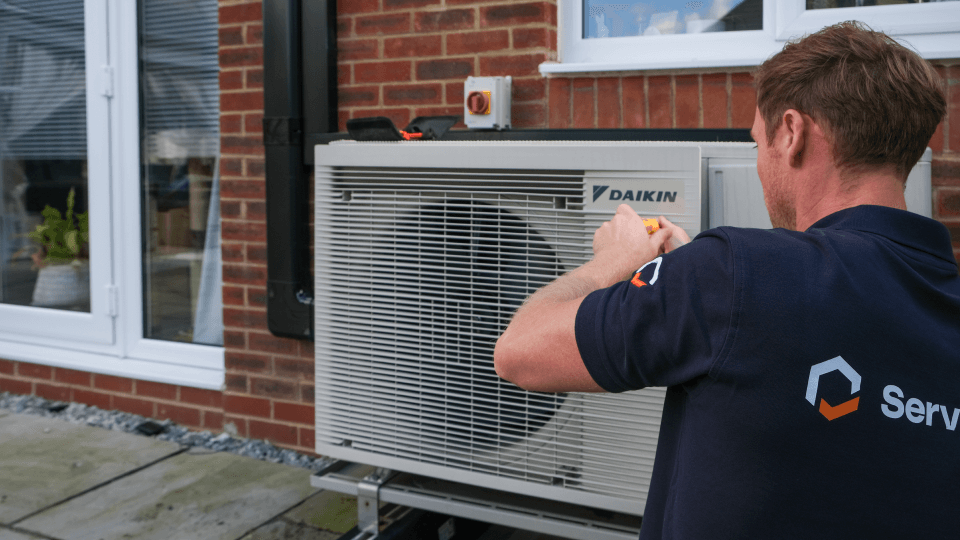
Running almost continuously puts added stress on compressors, fans, expansion valves and circulation pumps. This is one of the reasons that regular air source heat pump servicing is so important. Engineers are able to spot wear before it leads to breakdowns.
Slower heat-up times.
You may notice that your home takes longer to warm up than expected, even on moderate days. This is often caused by heat being lost faster than the pump can replace it.
Reduced lifespan of the system.
A heat pump operating in unfavourable conditions experiences more mechanical strain, which shortens its lifespan if servicing and repairs are delayed.
Understanding heat loss calculations.
Before an air source heat pump is installed, an MCS-approved heat loss calculation should be completed. This assesses construction materials, insulation levels, room dimensions, window types, and air leakage.
These calculations determine the size of the heat pump and how much heat each room requires to stay comfortable. Even a perfectly installed system will struggle if the property’s heat loss has changed since the survey, for example, through new drafts, removed insulation or poorly fitted windows.
If you feel your heat pump has become less effective over time, an engineer may recommend a fresh heat loss assessment alongside your next heat pump servicing appointment.
How to reduce heat loss in your home
You don’t need a full renovation to improve heat retention. Small and practical measures can have a significant impact on performance and energy usage. Some of the things that you can do include:
- Improving your insulation. Loft, wall and floor insulation dramatically reduces heat escaping through the structure of the building. Even topping up existing insulation can make a difference.
- Upgrading your windows and doors. Double or triple glazed windows along with properly sealed doors prevent cold air infiltration and keep warm air inside.
- Seal up the gaps and drafts. Loft hatches, letterboxes, skirting boards, chimney openings and pipe entry points require draft proofing. It’s a low cost way to support your heat pump’s efficiency.
- Maintain good ventilation. While reducing giraffes is important, proper ventilation is essential to prevent moisture buildup. Controlled ventilation, not accidental gaps, is what you want.
- Keep radiators or heat emitters clear. Even a well-insulated home can lose the efficiency of furniture or curtains if you block the radiators.
The role of annual servicing in managing your heat loss
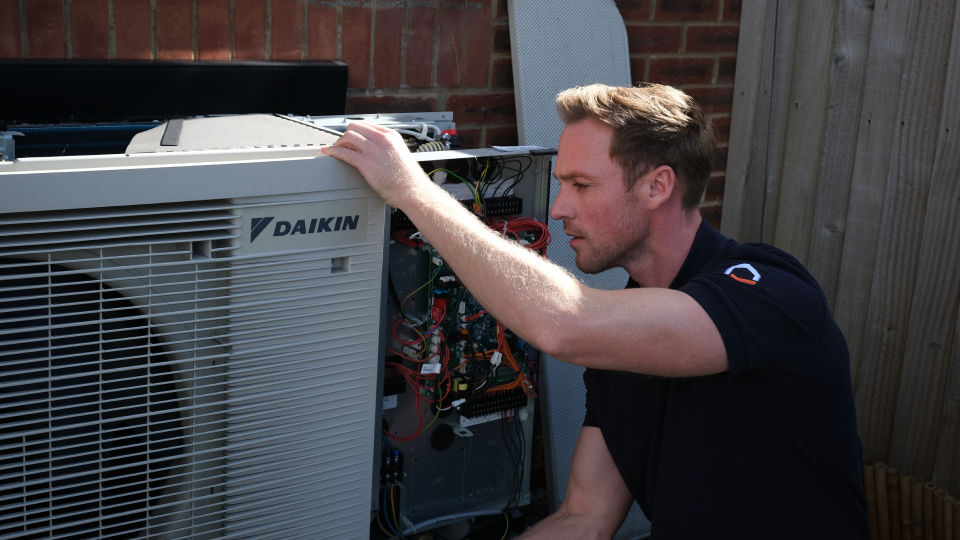
While insulation focuses on the building air source, heat pump servicing focuses on the equipment. Together, they make an efficient heating system. During a service, an engineer will check the following:
- Coil condition.
- Refrigerant pressure.
- Fan speed and air flow.
- System controls.
- Circulation pumps.
- Electrical components.
- Thermostat accuracy.
These cheques ensure that your heat pump is working as efficiently as possible under the conditions your home presents. A well-maintained system compensates for heat loss more effectively, uses less energy, and experiences fewer strain related problems.
How heat loss impacts your running costs
One of the main benefits of heat pumps is their lower running cost compared to older heating systems. But uncontrolled heat loss undermines those savings.
When heat escapes quickly, the system cycles more often and more electricity is consumed. As a result, room temperatures fluctuate and the result is a less comfortable home and higher bills.
You shouldn’t ignore heat loss issues.
An air source heat pump is one of the most efficient heating systems available. Addressing heat loss early prevents issues and helps to keep your system running smoothly for years to come.
By understanding and reducing your heat loss, you can maintain reliable heating, keep energy costs under control and protect the long-term health of your equipment. Get in touch with us today.
Schedule Your Heat Pump Service Today
Don’t wait until efficiency drops, or your pump encounters issues. Investing in routine maintenance for your air source heat pump is the best way to keep your household energy-efficient, cosy, and cost-effective year-round.
Get in touch with our professional servicing team today to schedule your appointment. With extensive experience in heat pump servicing and home energy solutions, we’re here to help you stay warm, save money, and protect your investment.
Maintain your heat pump, and it will reward you with years of efficient and reliable performance!