If you’ve invested in a modern heating solution like an air source heat pump (ASHP), you’re already ahead of the game, but are you getting the most from your radiators?
In this blog, we’ll walk you through how to optimise your radiator settings to extract maximum comfort and performance from your system, while also protecting your investment.
We’ll cover how your radiators and the heat pump interplay, what settings to look at (and tweak), how proper servicing, especially from a specialist such as ServiceMy, helps you maintain peak performance, and what you should watch out for.
By the end, you’ll know how to make your system work smarter and keep your home warm in the most efficient way.
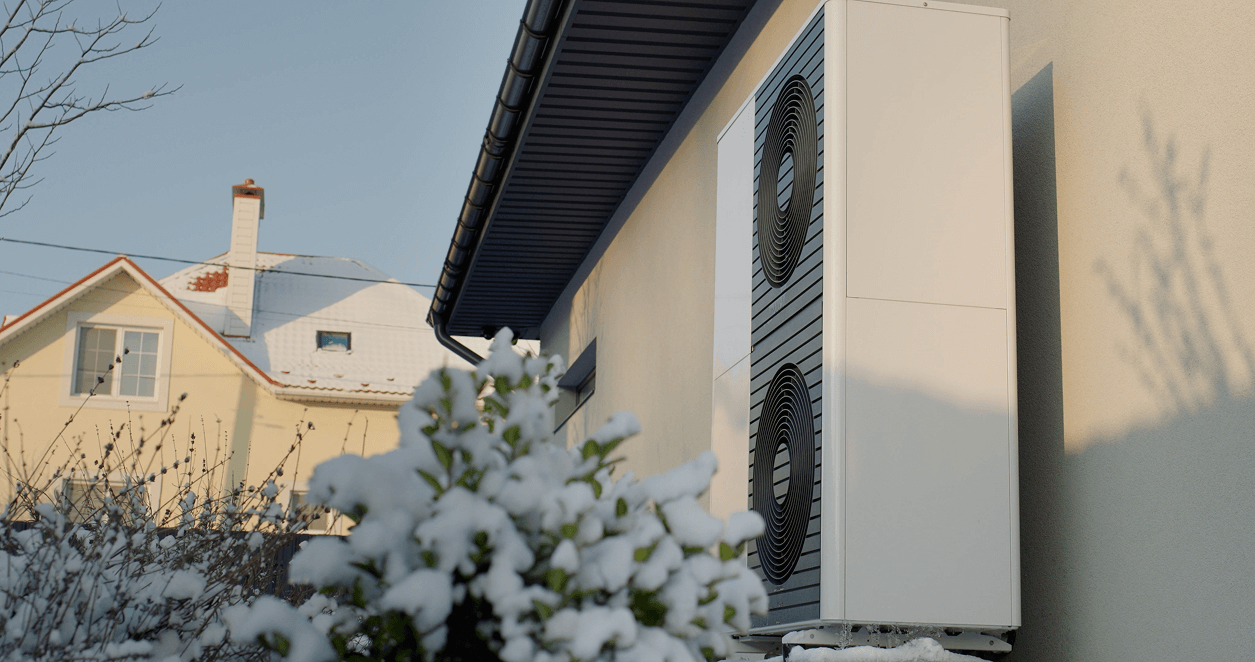
Section 1: Why Radiator Settings Matter When You Have an ASHP
1.1 The role of radiators in a heat pump system
When you switch to an Air Source Heat Pump, the way heat is distributed in your home often changes compared to a traditional boiler system. In a boiler system, you might have higher flow temperatures, but heat pumps work best at lower flow temperatures and with larger heat emitter surfaces (i.e., well-sized radiators, underfloor heating).
So your radiator settings, flow temperature, return temperature, pump speed, thermostat settings, all matter because they determine how effectively your heat pump can deliver heat.
1.2 The impact of flow temperature and radiator size
With an ASHP, the lower you can set the flow (without compromising comfort), the higher the system’s efficiency. This means your radiators ideally should be sized and set up to handle that lower temperature. If your radiators are small or flow temperature is set too high, the heat pump may struggle, run longer, or use more electricity.
1.3 Why regular servicing matters
This is where proper air source heat pump servicing comes in. A well-serviced ASHP will operate closer to its design parameters, meaning your radiator settings can be optimised. A system that’s been neglected may be underperforming and will limit what your radiator settings can achieve.
Companies like ServiceMy emphasise that regular servicing keeps everything efficient, safe, and warranty-valid.
1.4 The connection between radiator settings and running costs
When your radiators are working at the right flow temperature and the system is in balance, you reduce pump runs, lower electricity use, and avoid the heat pump ‘over-working’. That translates to lower bills and less wear and tear on the system, which ties back into longevity and servicing costs.
1.5 What “optimised radiator settings” look like
In practical terms, this means: your flow temperature is as low as comfortable, your radiators are properly sized and in good condition, your thermostatic radiator valves (TRVs) and room thermostats are set sensibly, and your system is well maintained with annual checks and servicing (i.e., Air Source Heat Pump Servicing). All of this adds up to better comfort, better efficiency, and less stress for you.
Section 2: Step-by-Step Guide to Optimising Radiator Settings
2.1 Start with a boiler (or heat pump) health check
Before you start adjusting settings, make sure the base system is healthy. Book professional servicing for your ASHP and ask for a performance check of radiator flow/return temperatures, too. We ensure a full service includes system inspection, cleaning, refrigerant check and calibration.
2.2 Check and calibrate your thermostat and controls
Ensure your room thermostat is reading correctly and placed in a representative spot (not near a draughty window or in direct sunlight). Make sure any TRVs are functional and set to sensible levels (for example, “3” for normal comfort rather than “5”).
2.3 Set a realistic flow temperature
As a rule of thumb, for an ASHP with radiators, aim for a flow temperature between 40-50 °C (sometimes lower) rather than boiler-style 60-70 °C, assuming your radiators are sized appropriately and the house is well insulated. Monitor comfort levels and adjust if you’re too cool or too warm.
2.4 Balance your radiators
Radiator balancing means making sure each radiator in your home gets an appropriate proportion of flow so that rooms heat evenly. If one radiator is far too hot and another too cool, the system will be inefficient and cause discomfort. Professional servicing can check and advise on balancing.
2.5 Use TRVs and thermostats smartly
TRVs allow you to fine-tune room temperatures. For rooms you use less (guest rooms, corridors) turn down the TRV. For living areas you use more, keep them at a comfortable level. Ensure the radiator behind a thermostat isn’t blocked by furniture or curtains; airflow matters.
2.6 Consider the weather compensation and flow cut-off settings
Many modern ASHPs have weather compensation: the flow temperature is automatically adjusted based on outside temperature. This ensures your radiators always get an appropriate flow. Check your system’s controller and ensure the compensation curve is set correctly for your home. If in doubt, your servicing engineer can review this.
Section 3: Common Issues That Undermine Radiator Performance, and What Servicing Helps Fix
3.1 Radiator cold spots or uneven heating
If radiators have cold areas, it can mean trapped air, partial blockage, or insufficient flow. Radiator bleeding helps, but if recurring, you may need a system flush or balancing – something checked during a professional service.
3.2 Flow temperature set too high (or too low)
If you’ve set the flow temperature too high, your ASHP may work inefficiently and shorten its lifespan. Too low and you might not reach comfort. Servicing helps ensure your system supports the correct flow temperature and that your radiators can handle it.
3.3 Blocked radiators or obstructed valves
Furniture, curtains, located near walls or blocked by clutter all stop radiators from expelling heat properly. During a service visit our engineer will check airflow around emitters, wiring, valves and plant layout.
3.4 System pressure too low or pumps not optimised
If pump flow is insufficient, your radiators may take too long to warm, or the system may remain in “heating” mode for long periods. A good heat pump servicing contract will include checking pipework, pumps, expansion vessels, and pressure.
3.5 Dirty filters, coils, or external unit issues
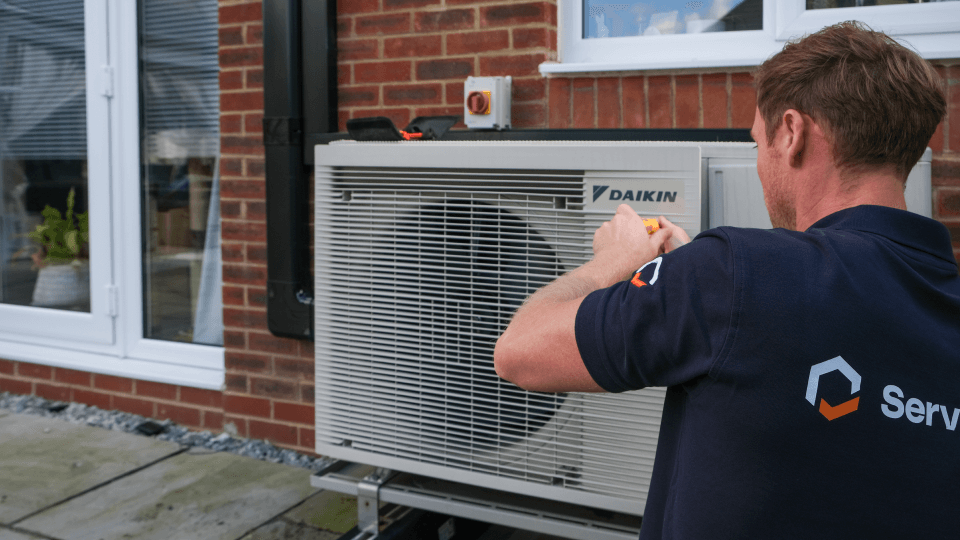
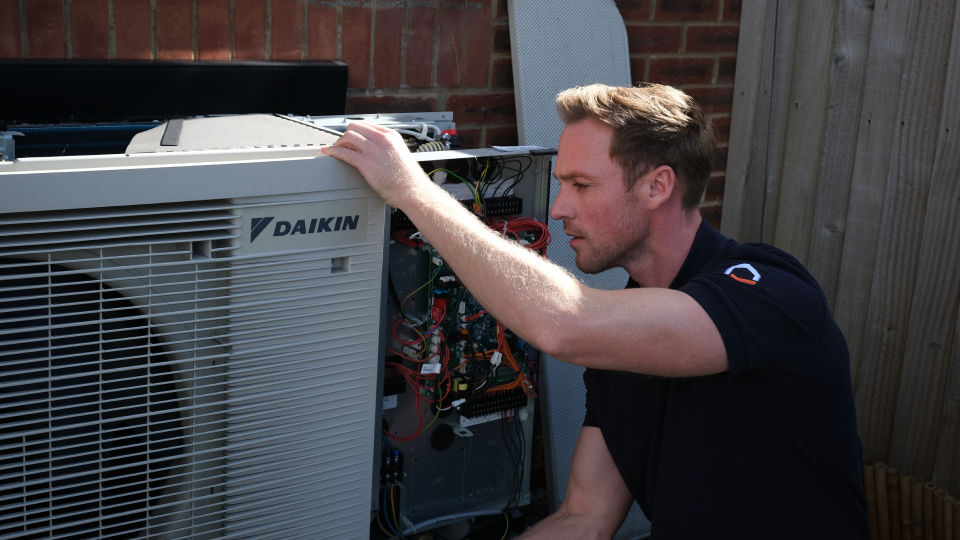
Even though these are more obvious issues for the heat pump rather than the radiator itself, they affect overall performance. A service will inspect the outdoor unit, clean coils, and check refrigerant levels, all of which allow the radiators to receive the correct heat.
3.6 Incorrect control logic or thermostat placement
If your thermostat is in a cold spot (say, near a window or draught), it might turn off the system before radiators have reached comfort in other parts of the house. A servicing engineer will check controls, sensors, and thermostats, and can advise or adjust placement.
Section 4: How to Use Radiator Settings Seasonally
4.1 Transitioning from summer to autumn
When you switch your system back on after summer, begin with a moderate flow temperature and measure how quickly your rooms heat. If the house warms quickly and comfortably, you might be able to set a lower flow than you’d initially think.
4.2 Deep winter settings
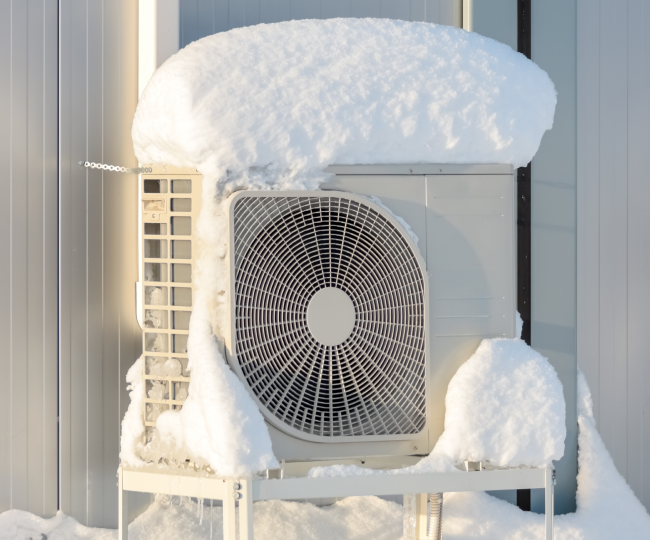
In cold snaps, you may need to raise the flow temperature or adjust the weather‐compensation curve so that radiators get a bit “hotter” to keep the rooms comfortable. This is when you really need your ASHP well-serviced, as it will be under maximum load.
4.3 Spring and milder weather
As the outdoor temperature improves, the heat pump becomes more efficient. You might find you can reduce flow temperature, reduce radiator thermostat settings a little, and still stay comfortable. Keep monitoring.
4.4 Overnight or part‐day economy
If you schedule lower temperatures overnight or when you’re out, your radiators should reach the target less often. Make sure pump and radiator settings support this: i.e., night setback via thermostat, maybe slightly lower flow temperature.
4.5 System downtime and pre-season checks
Before winter really hits, book your air source heat pump servicing (see ServiceMy’s offerings) so that when you need maximum performance from your radiators, the system is primed and ready. This avoids your radiators being limp when the cold snap arrives.
Section 5: Benefits of Radiator Optimisation & Regular Servicing
Rather than traditional heating systems like gas boilers, air source heat pumps are becoming popular because they are more efficient. They can save money and heat the home better.
As efficient as they are, they rely on regular servicing each year to keep them running smoothly.
5.1 Lower energy bills
By getting your radiator system working in harmony with your ASHP, you reduce unnecessary running time and energy waste. Lower flow temperatures and well-balanced emitters mean the heat pump doesn’t need to “fight” the system.
5.2 Improved comfort and consistency
When everything is set correctly, you’ll have fewer cold spots, better response from your heating, and radiators that warm quickly and evenly. That means more comfortable rooms and fewer complaints or fix-ups.
5.3 Extended system lifespan
Radiators, pumps, valves, and the heat pump itself last longer when they operate in optimum conditions. Poor setup and neglected servicing cause strain, excess cycling, and wear. We emphasise this as part of our “why service” reasoning.
5.4 Valid warranties and better resale value
Many manufacturers require annual servicing for your ASHP to keep the warranty valid. At the same time, properly sized and optimised radiators add value. Regular heat pump servicing keeps paperwork in order and gives you documented proof of maintenance.
5.5 Peace of mind
You’ll sleep better knowing your heating system isn’t ticking a time-bomb. Regular servicing means you don’t have to worry about hidden faults, sudden call-outs, or “why aren’t my radiators working properly?” moments.
Section 6: Booking Professional Servicing and What to Ask
6.1 When to schedule your service
It’s advisable to have your ASHP serviced at least once a year. We strongly recommend this for efficiency, warranty compliance, and longevity.
Choose a time before high demand (late summer/early autumn) so your radiators are ready for winter.
6.2 What to ask the servicing provider
When you contact a specialist like ServiceMy, ask:
- Does the service include inspecting radiator flow/return and balancing?
- What checks will be done on the outdoor unit, refrigerant levels, controls, thermostat calibration, and pump flow?
- Will I receive a performance report and recommendations for radiator settings?
- Are you accredited/qualified for all leading ASHP brands?
- Will you keep detailed service records and send reminders for the next appointment?
6.3 What you should do before the engineer arrives
- Clear access around the radiators so they can be checked and balanced.
- Ensure the outdoor unit and indoor unit are unobstructed.
- Have thermostat set points, radiator TRV settings, and any issues noted so you can discuss them.
- Prepare pets/children so the engineer can work safely and efficiently.
6.4 After service, follow-up actions
- Review the service report and any radiator-system recommendations.
- Note any suggested changes to flow temperatures, TRV settings, control curves.
- Implement any changes gradually and monitor comfort.
- Keep your service receipt and the log date of the next service.
6.5 Why choose ServiceMy for servicing
We specialise in air source heat pump servicing, offering tailored service plans, performance reports, and maintenance of radiators and emitter systems. We understand how radiator performance links into the overall system rather than viewing the ASHP in isolation.
Conclusion
Your radiators are the final link in your heating system chain. No matter how efficient your ASHP is, if the radiators are poorly set, blocked, undersized, or neglected, then you won’t really feel the benefits. By optimising radiator settings and coupling that with annual air source heat pump servicing, you’ll enjoy:
- Better comfort and consistent warmth throughout your home
- Lower energy bills and improved efficiency
- A longer lifespan for your system and fewer surprise call-outs
- A fully maintained system that keeps warranties valid
- A home that’s better prepared for the seasons and changing outdoor conditions
- Less environmental impact thanks to efficient performance
If you haven’t yet booked in your radiator check and heat pump service, now is a great time to act, especially with colder weather approaching. Reach out to our team today for a comprehensive servicing plan.
Schedule Your Heat Pump Service Today
Don’t wait until efficiency drops, or your pump encounters issues. Investing in routine maintenance for your air source heat pump is the best way to keep your household energy-efficient, cosy, and cost-effective year-round.
Get in touch with our professional servicing team today to schedule your appointment. With extensive experience in heat pump servicing and home energy solutions, we’re here to help you stay warm, save money, and protect your investment.
Maintain your heat pump, and it will reward you with years of efficient and reliable performance!